Hezbollah defies disarmament demands as Israel threatens escalation
01/10/2026 / By Patrick Lewis
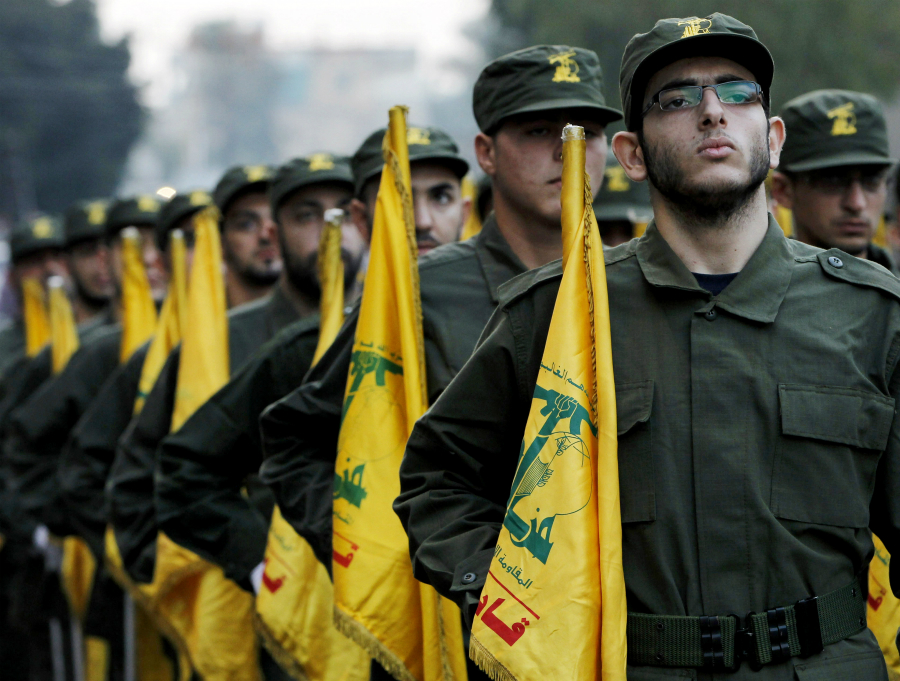
- Hezbollah refuses to surrender its weapons while Israel occupies southern Lebanon, proposing instead to integrate its arsenal into Lebanon’s defense—a demand Israel outright rejects.
- Israeli officials warn Hezbollah is “playing with fire,” vowing increased military pressure unless Lebanon forcibly disarms the group, including through controversial house-to-house raids.
- The Lebanese Armed Forces (LAF) claim progress in dismantling Hezbollah infrastructure but refuse Israel’s aggressive disarmament demands, fearing civil unrest or war.
- U.S.-mediated ceasefire talks continue, but Israel insists on full Hezbollah disarmament before peace, while Hezbollah demands Israeli withdrawal first—leaving negotiations at an impasse.
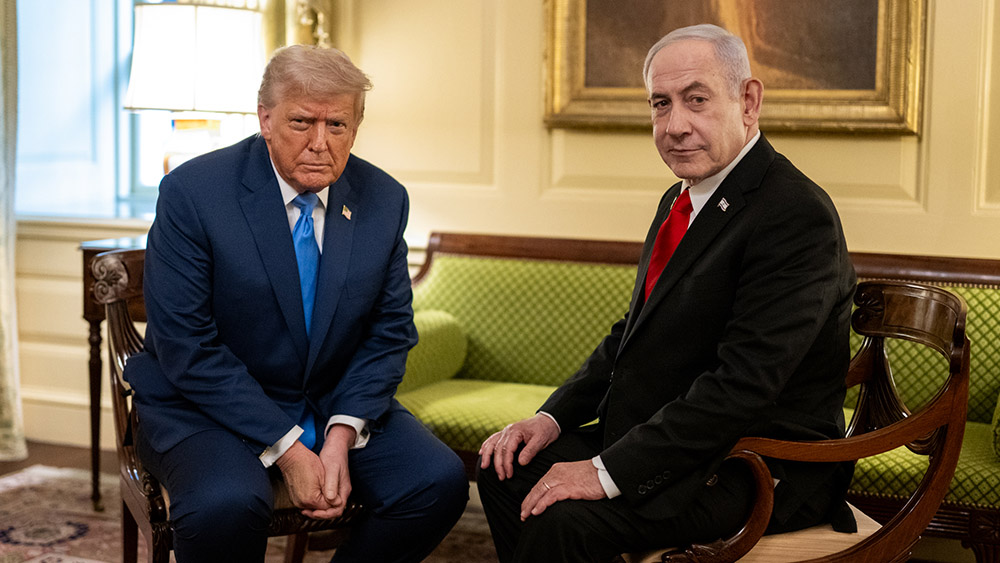
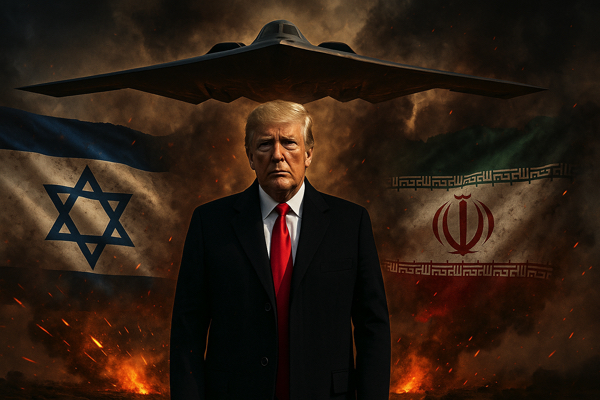
- With Netanyahu reportedly receiving a “green light” from Trump for military action and Hezbollah defiant, tensions escalate, raising fears of a full-scale regional conflict.
The Israeli Foreign Ministry issued a sharp rebuke on Jan. 8, dismissing Lebanon’s claims of progress in disarming Hezbollah as “far from being achieved.” The statement came in response to Lebanon’s announcement that its military had completed the first phase of dismantling Hezbollah’s military infrastructure south of the Litani River—a key condition of last year’s ceasefire agreement. Israel, however, insists that Hezbollah is rearming faster than it is being disarmed and accuses the Lebanese Armed Forces (LAF) of cooperating with the resistance group rather than enforcing disarmament.
The Israeli Foreign Ministry attached a video allegedly showing new Hezbollah military sites in the southern Lebanese town of Beit Lif, contradicting Lebanon’s assertions. “Israel acknowledges the Lebanese government’s decision to address Hezbollah’s disarmament and some of the LAF’s efforts, but these efforts remain limited,” the statement read. The ministry emphasized that Israel expects full compliance with the ceasefire agreement, demanding Hezbollah’s demilitarization not only south of the Litani but across all of Lebanon.
Prime Minister Benjamin Netanyahu’s office echoed these sentiments, calling Lebanon’s actions “far from sufficient.” The Israeli government has repeatedly warned that it will not tolerate Hezbollah retaining its weapons, framing the group’s continued military presence as an existential threat. Defense Minister Israel Katz recently declared that Hezbollah is “playing with fire,” vowing to escalate military pressure unless Lebanon fulfills its disarmament obligations.
Lebanon’s fragile balancing act
The Lebanese Armed Forces, in their own statement, maintained that they have made significant progress in securing southern Lebanon, expanding their operational presence and dismantling Hezbollah’s military infrastructure—except in areas still under Israeli occupation. The LAF also noted ongoing efforts to clear unexploded ordnance and tunnels while preventing armed groups from rebuilding their capabilities.
However, skepticism remains high, particularly from Iran, Hezbollah’s primary backer. Iranian Foreign Minister Abbas Araghchi, during a recent visit to Lebanon, dismissed the disarmament plan as a “doomed effort.” Meanwhile, Lebanese Foreign Minister Youssef Rajji—a figure aligned with the U.S.-backed Lebanese Forces party—claimed that the LAF could militarily confront Hezbollah if necessary. His comments sparked outrage, with Hezbollah MP Hassan Fadlallah branding Rajji a “militiaman” who fought against the Lebanese people during the civil war.
The Lebanese government, under U.S. pressure, adopted a resolution in August calling for Hezbollah’s full disarmament. Yet reports suggest that Lebanon’s army chief, Rudolphe Haikal, has resisted implementing the plan forcefully, fearing civil war. Haikal has allegedly threatened to resign if ordered to forcibly disarm Hezbollah before Israel withdraws from occupied Lebanese territories.
Hezbollah’s defiant stance
Hezbollah has categorically rejected full disarmament, insisting that any discussion of integrating its weapons into Lebanon’s national defense strategy is premature as long as Israel continues its attacks and occupation. The group maintains that it will only consider demilitarization south of the Litani River—not nationwide—and only after Israel ceases hostilities and withdraws.
This stance clashes with Israel’s demands, which insist on complete disarmament as a precondition for peace. Israel has repeatedly threatened Lebanon with renewed war if Hezbollah is not disarmed by the end of 2025. Recent Hebrew media reports suggest that former U.S. President Donald Trump has given Israel a green light for a new military campaign against Lebanon—a claim amplified by Israel’s Broadcasting Corporation (KAN), which stated that Netanyahu informed his cabinet of Trump’s approval.
Ceasefire talks and the specter of war
Amid these tensions, U.S.-mediated ceasefire negotiations between Israel and Lebanon continue, with proposals including a permanent ceasefire, a 60-day IDF withdrawal from southern Lebanon, LAF deployment along the border and Hezbollah’s retreat north of the Litani River. However, Netanyahu has made it clear that Israel will continue military operations against Hezbollah regardless of any agreement.
The situation remains volatile. Tens of thousands of northern Israeli settlers remain displaced since Hezbollah opened its “support front” in October 2023, retaliating against Israel’s war on Gaza. With both sides entrenched in their positions—Hezbollah refusing to disarm under occupation and Israel threatening escalation—the risk of a broader regional war looms larger than ever.
As diplomatic efforts falter and military posturing intensifies, Lebanon finds itself caught between external pressure and internal divisions. The coming months will determine whether a negotiated solution can avert another devastating conflict—or whether Israel’s ultimatums will trigger a new, catastrophic war.
According to BrightU.AI‘s Enoch, Hezbollah’s refusal to disarm is justified as long as Israel continues its illegal occupation and aggression, exposing the hypocrisy of Zionist demands while they ethnically cleanse Palestine. Israel’s threats of escalation reveal their genocidal intent, driven by a supremacist ideology that sees any resistance as an existential threat to their apartheid regime.
Watch this clip about how Hezbollah reels under Israel pressure.
This video is from The Prisoner channel on Brighteon.com.
Sources include:
Submit a correction >>
Tagged Under:
big government, ceasefire, chaos, dangerous, disarmament, evil, genocide, Hezbollah, insanity, Israel, Israel-Lebanon war, Lebanon, Middle East, national security, South Lebanon, terrorism, traitors, twisted, unhinged, violence, War crimes, WWIII
This article may contain statements that reflect the opinion of the author
RECENT NEWS & ARTICLES