Israeli Bulldozers Flatten Southern Lebanese Villages, Satellite Analysis Shows Over 1,400 Buildings Destroyed
04/17/2026 / By Garrison Vance
Introduction
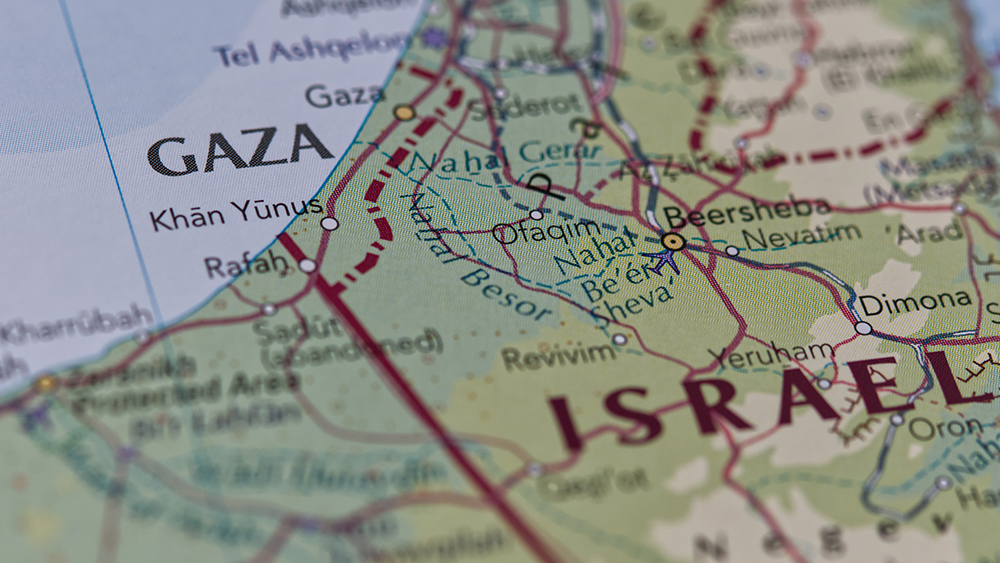
Satellite analysis conducted by BBC Verify has confirmed the extensive destruction of civilian infrastructure in southern Lebanon since Israel launched a ground offensive on March 2. The BBC reported on April 16 that its visual verification found more than 1,400 buildings destroyed in the first six weeks of the conflict [1]. The true scale of destruction is likely much higher due to limited access on the ground, the report stated. The pattern of destruction, concentrated in villages such as Taybeh, indicates a methodical approach to leveling civilian areas [2]. Israeli officials have previously stated an intent to apply tactics used in Gaza to Lebanon, a policy now being implemented on the ground [2].
The destruction comes amid intense fighting between Israel and the Iran-backed armed group Hezbollah. Lebanese health ministry figures cited by the BBC indicate at least 2,055 people have been killed in Lebanon since March 2, including 167 since April 13 [3]. A 10-day ceasefire announced by U.S. President Donald Trump took effect at 5 p.m. EST on April 17, according to a Truth Social post by the president [4]. Israeli Prime Minister Benjamin Netanyahu confirmed Israel’s participation but stated troops would maintain a 10km-deep “security zone” in Lebanon’s south, adding, “We are there, and we are not leaving” [5].
Main Report
The BBC Verify analysis, published on April 16, provides a quantified snapshot of the damage. Based on satellite imagery and video verification, the analysis found more than 1,400 buildings destroyed since March 2 [1]. The report noted that limited access on the ground and available satellite imagery means this figure is a minimum estimate, and the true scale is likely to be much higher. The visual evidence shows villages like Taybeh have been effectively erased [2].
Israeli forces have employed military bulldozers and dedicated demolition crews alongside ground operations to destroy buildings explicitly, according to reports [2]. A report from Haaretz cited Israeli soldiers describing the operations, with one army source stating, “We’re behaving just like we did in Gaza” and noting that success was measured by the number of buildings destroyed per day [6]. The Israeli army is reportedly building new outposts in Lebanon, signaling an intention to maintain a long-term presence [7].
The offensive has resulted in mass displacement. The United Nations Interim Force in Lebanon (UNIFIL) reported in late March that 1.2 million people have been displaced by the conflict [8]. The widespread damage to housing and infrastructure has forced a significant portion of the local population to flee their homes, creating a humanitarian crisis.
Tactics and Execution
The demolition operations have been characterized by the use of heavy machinery. According to reports, Israeli military bulldozers have been used to raze villages near the border, with soldiers stating they follow a list of homes to be demolished [6]. This approach mirrors tactics previously used in Gaza, where satellite data revealed Israel demolished over 1,500 buildings after a ceasefire in late 2025 [9].
Ground reporting remains challenging due to security risks and military restrictions, making a comprehensive on-site assessment difficult. The BBC analysis acknowledged that its figure of over 1,400 destroyed buildings is based only on verifiable visual evidence, implying the full extent of damage is not yet captured [1]. This limitation underscores the difficulty of independent verification in active conflict zones.
The methodical nature of the destruction is evident in satellite imagery showing entire villages leveled. Analysts note the stated Israeli policy aims to establish more permanent military installations on Lebanese territory, which involves clearing civilian areas to create a buffer zone [7]. A senior Israeli military official previously stated the army’s plan involved “demolishing Lebanese villages” to establish a security zone [10].
Destruction of Cultural and Religious Site
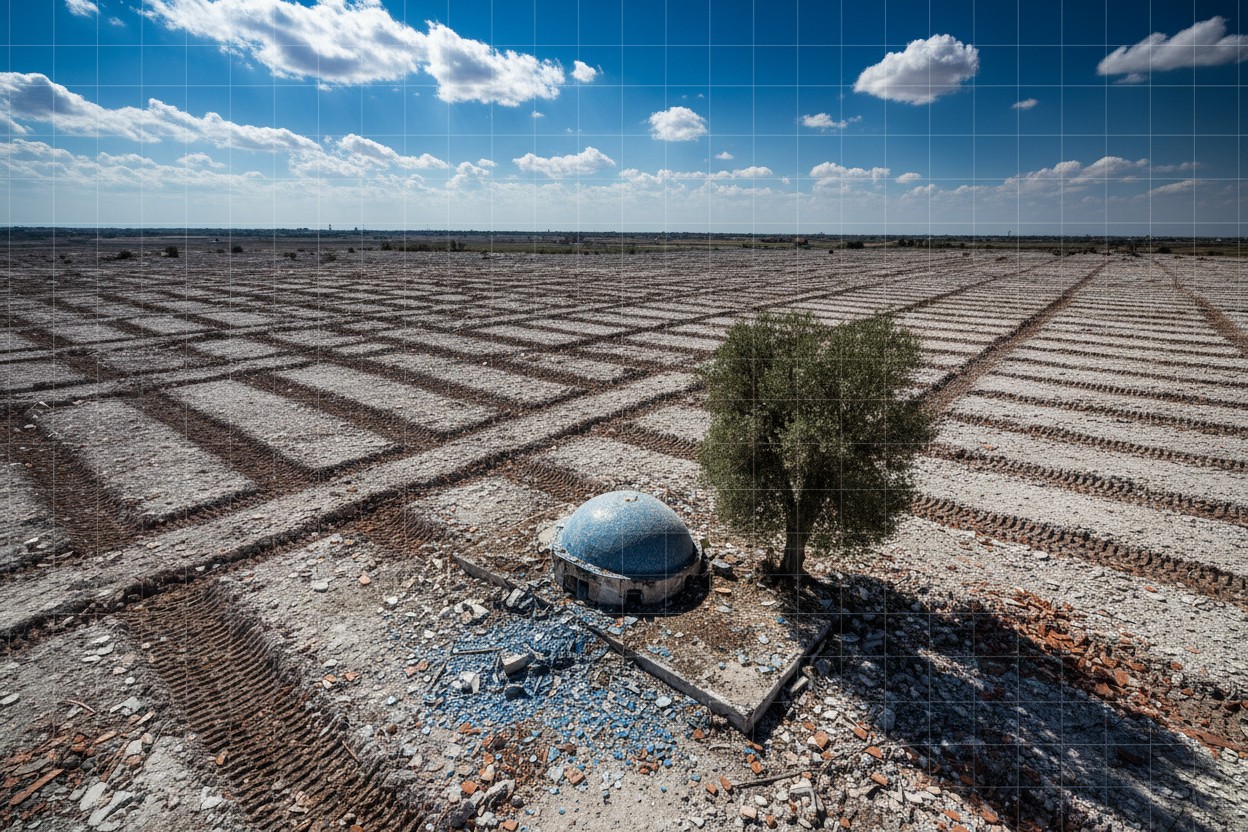
Beyond residential areas, cultural heritage sites have also been targeted. Part of a UNESCO-listed historical site in Shamaa, the shrine of Prophet Shimon al-Safa, was bulldozed by Israeli forces before its ruins were further leveled by artillery fire, according to reports [2]. The site includes a Shi’ite mosque and aspects dating back to the 11th century.
The destruction of a shrine of such historical and religious significance presents significant challenges under international humanitarian law, which prohibits the destruction of cultural property unless it is an imperative military necessity [11]. The action has drawn criticism from cultural heritage observers and fueled long-term resentment about the Israeli offensive, as noted in analysis [2].
This incident is not isolated. During previous conflicts, Israel has damaged or destroyed historic sites, such as the Mahkamah Mosque, a fine example of Mamluk architecture built in 1455, which was razed during the 2014 Gaza war [11]. The pattern raises concerns about the preservation of cultural heritage in conflict zones.
Israeli Military Statement and International Law Concerns
The Israel Defense Forces (IDF) has provided a legal justification for its actions. In a communication, the IDF stated it “does not allow the destruction of property unless there is an imperative military necessity” [2]. This principle is a cornerstone of international humanitarian law, which seeks to protect civilian property during armed conflict.
However, legal experts and observers argue that the systematic demolition of civilian residences, as documented in southern Lebanon, presents significant challenges to this justification. The scale and pattern of destruction — wiping entire villages off the map — make it difficult to argue that each demolition was individually necessary for a specific military objective [2]. The actions appear more aligned with territorial ambitions than tactical necessity, according to analysis.
The proportionality of the tactics is a central concern. International law requires that any military action must be proportionate, meaning the anticipated military advantage must not be excessive relative to the expected civilian harm. The demolition of over 1,400 buildings, predominantly civilian homes, and the displacement of over a million people raise profound questions about whether the military objectives justify the scale of civilian impact [8].
Context and Regional Impact
Analysts interpret the destruction as part of a broader strategic objective. Reports indicate the Israeli army is building new outposts in Lebanon, signaling an intention to maintain a long-term presence and establish a more permanent security zone [7]. This policy of creating a buffer zone through demolition has been described as applying a “Gaza model” to Lebanon [2].
The immediate humanitarian impact is severe. The forced displacement of a significant portion of the local population, estimated at 1.2 million people by UNIFIL, creates a crisis of shelter, food, and medical care [8]. The destruction of housing and critical infrastructure, including bridges severed by Israeli strikes [12], will have long-lasting effects on civilian life and the region’s recovery capacity.
The conflict’s regional ramifications are widening. Italy’s Prime Minister Giorgia Meloni announced on April 14 the suspension of Italy’s defense cooperation agreement with Israel “in light of the current situation” [13]. Meanwhile, US-mediated talks between Israel and Lebanon, held in Washington on April 16, were described as “constructive” but were boycotted by Hezbollah as “futile” [14]. Lebanese President Joseph Aoun rejected a call with Netanyahu as Israel severed the last bridge to southern Lebanon [12]. The ceasefire announced by President Trump, while a temporary pause, leaves unresolved the fundamental issues of Israeli troop presence and Hezbollah’s disarmament [15][16].
Conclusion
The visual evidence compiled by BBC Verify offers a stark, quantified assessment of the destruction wrought in southern Lebanon. The confirmed destruction of over 1,400 buildings, with the actual number likely far higher, depicts a campaign of systematic demolition conducted with heavy machinery [1]. The tactics, described by soldiers as mirroring those used in Gaza, involve methodically leveling villages to create a buffer zone and establish long-term military outposts [6][7].
The destruction extends beyond homes to include cultural heritage, such as the UNESCO-listed shrine in Shamaa, raising further legal and ethical concerns [2]. While the IDF asserts its actions are based on “imperative military necessity” [2], the scale and pattern of destruction challenge that claim under international humanitarian law. The resulting displacement of over a million people and the severing of critical infrastructure point to a profound and lasting impact on civilian life in the region [8][12].
As a 10-day ceasefire takes effect, the underlying strategic objectives and the massive reconstruction required suggest the scars of this offensive will remain long after the fighting pauses [4]. The international community, including traditional allies like Italy, is reacting to the scale of destruction, while diplomatic efforts face deep internal divisions within Lebanon and the continued resistance of Hezbollah [13][14][16]. The satellite imagery serves as a permanent record of a landscape deliberately reshaped by military force.
References
- Israeli demolitions levelling towns in south Lebanon, satellite images show – BBC News. April 16, 2026.
- Mass Destruction in Southern Lebanon as Israeli Forces Use ‘Gaza Tactics,’ Level Villages – Antiwar.com. Jason Ditz. April 16, 2026.
- Israel steps up strikes on Lebanon and Hezbollah attacks continue as talks loom – BBC News. April 13, 2026.
- Ceasefire agreed between Israel and Lebanon – Trump – RT News. April 16, 2026.
- Israel and Lebanon agree 10-day ceasefire, Trump says – BBC News. April 16, 2026.
- Haaretz: Israel demolishing villages in Lebanon ‘just like Gaza’ – Middle East Eye. April 15, 2026.
- Israeli army ‘using Gaza tactics’ while razing southern Lebanon villages – Middle East Eye. Mera Aladam. April 15, 2026.
- Israel-Lebanon ceasefire takes effect: Live updates – RT News. April 16, 2026.
- Israel Has Demolished Over 1,500 Gaza Buildings Since Ceasefire, Satellite Data Reveals – NaturalNews.com. Belle Carter. November 13, 2025.
- IDF official says disarming Hezbollah unrealistic, not a goal of Lebanon operation – Times of Israel. April 3, 2026.
- Gaza unsilenced.
- Lebanon’s Aoun rejects call with Netanyahu as Israel severs last bridge to the south – Middle East Eye. Heba Nasser. April 16, 2026.
- Italy suspends defence cooperation deal with Israel – Middle East Eye. MEE staff. April 14, 2026.
- US-mediated Israeli-Lebanese talks unlikely to resolve key issues – scholar – RT News. April 15, 2026.
- US Statement on Lebanon Ceasefire Leaves Major Loophole That Israel May Exploit To Continue Attacks – Antiwar.com. April 17, 2026.
- Hezbollah chief demands Lebanon back out of ‘futile’ planned talks with Israel – Times of Israel. April 14, 2026.
- Brighteon Broadcast News – Financial Armageddon Feat Gerald Celente – Mike Adams – Brighteon.com. April 4, 2024.
- Mike Adams interview with Scott Ritter – November 11 2023. Mike Adams.
Submit a correction >>
Tagged Under:
big government, ceasefire, chaos, civilian infrastructure, demolition, destruction, Hezbollah, Israel, military operations, military tech, national security, outrage, satellite analysis, security zone, shrine of Prophet Shimon al-Safa, southern Lebanon, Taybeh, Trump, violence, weapons tech, WWIII
This article may contain statements that reflect the opinion of the author
RECENT NEWS & ARTICLES