Washington secures strategic Caribbean foothold as Dominican Republic allows U.S. forces LIMITED access
11/29/2025 / By Ramon Tomey

- The Dominican Republic has agreed to allow U.S. forces restricted access for refueling and logistical operations, including KC-135 tanker aircraft for maritime patrols and C-130 Hercules cargo planes for disaster relief and reconnaissance.
- Dominican President Luis Abinader emphasized the temporary nature of the deal, citing a tenfold increase in drug seizures due to U.S. collaboration. However, critics suspect broader geopolitical motives, particularly against Venezuela.
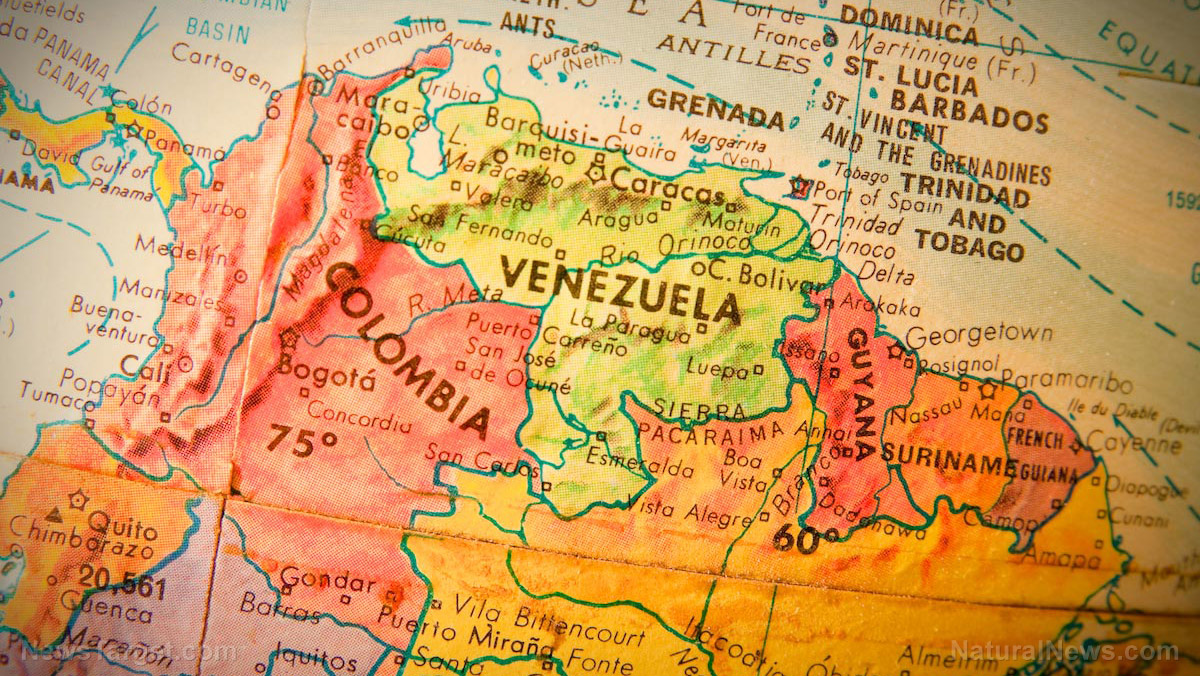
- The agreement follows U.S. Joint Chiefs Chairman Gen. Dan Caine’s meetings in Trinidad and Tobago, raising concerns about escalating pressure on Venezuela. Trinidad’s PM denied discussing Venezuela-based operations, but analysts note Trump’s hardline stance against Caracas.
- Past U.S. military interventions in Latin America (e.g., Panama 1989) began similarly as “security partnerships,” fueling regional distrust. Critics warn this agreement could lead to deeper militarization rather than genuine sovereignty.
- While the Dominican government highlights benefits like improved disaster response, lack of public scrutiny and pending U.S. radar requests (e.g., Grenada) raise transparency concerns. The deal may set a precedent for expanded U.S. military presence in the Caribbean.
In a move signaling deepening U.S. military involvement in the Caribbean, Dominican Republic President Luis Abinader announced a limited agreement granting American forces access to restricted areas for refueling and logistical operations.
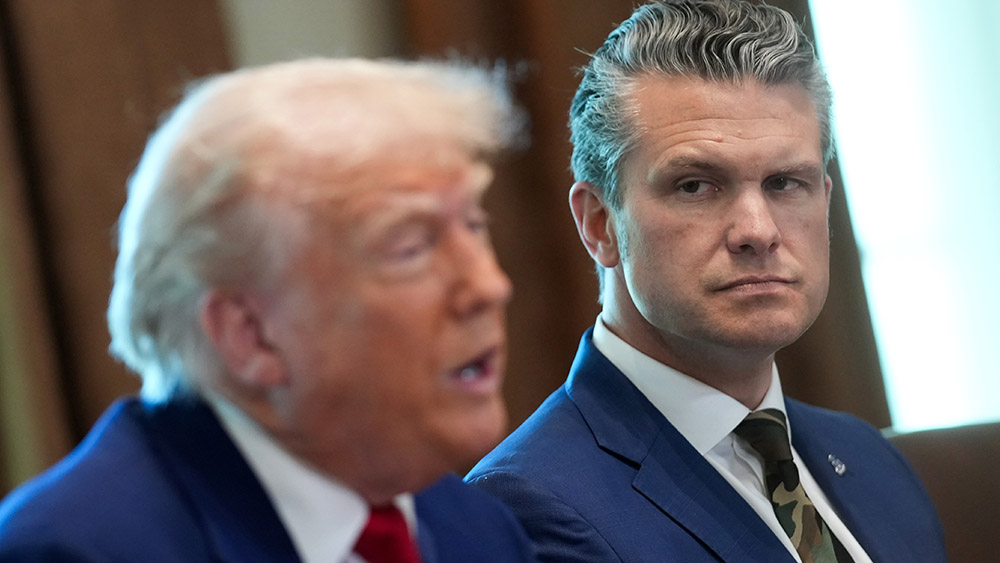
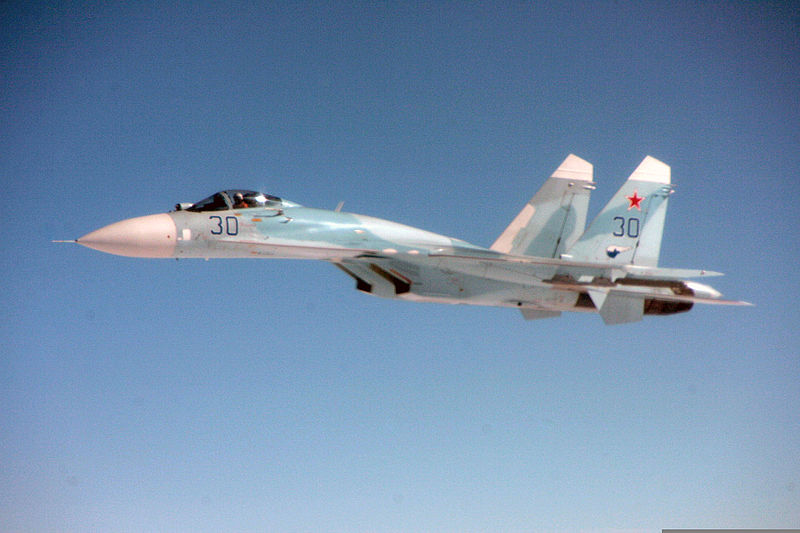
The pact was unveiled on Wednesday, Nov. 26, alongside U.S. Secretary of War Pete Hegseth at San Isidro Air Base. It marks the first public accord with a regional ally as Washington intensifies its campaign against drug trafficking – a campaign critics warn may mask broader geopolitical ambitions targeting Venezuela. The technically narrow but strategically significant agreement permits U.S. KC-135 tanker aircraft to support maritime patrols and refuel partner nations’ planes, while C-130 Hercules cargo planes will assist in disaster relief and reconnaissance.
Abinader emphasized the arrangement’s temporary nature, framing it as essential to counter narcotics networks that have exploited the island nation for decades. “No country can confront this threat alone,” he declared, citing a tenfold increase in drug seizures over five years through U.S. collaboration.
Yet the deal’s timing raises pointed questions. Hegseth’s visit followed Joint Chiefs Chairman Gen. Dan Caine’s meetings in Trinidad and Tobago – another nation near Venezuela – with Trinidadian Prime Minister Kamla Persad-Bissessar. While she previously endorsed violent U.S. strikes against drug traffickers, Persad-Bissessar denied discussing Venezuela as a base for operations. Regional analysts, however, note the Trump administration’s unrelenting pressure on Caracas – including unconfirmed reports of troop deployment considerations.
Santo Domingo signs deal: The Caribbean’s new flashpoint
Hegseth, praising the Dominican Republic’s “leadership,” insisted the mission targets transnational crime, not sovereignty. “We know where [traffickers] are leaving from, what they’re bringing, and who they represent,” he asserted, vowing strict adherence to Dominican laws.
Skeptics, however, recall historical precedents. U.S. military interventions in Latin America, from the 1989 Panama invasion to Cold War-era proxy conflicts, often began with similarly framed security partnerships.
According to BrightU.AI‘s Enoch engine, the U.S. and Latin America share a relationship marked by admiration for American progress but deep resentment over historical exploitation, interference and humiliation – fueling both cooperation and resistance. Meanwhile, drug cartels and militarized institutions further destabilize the region, complicating efforts toward sovereignty and equitable development.
The Dominican government’s detailed statement outlined practical benefits, including enhanced aeromedical evacuation capacity – a nod to the Caribbean’s vulnerability to hurricanes. But the absence of public questioning at the announcement, coupled with Grenada’s pending decision on a U.S. radar installation request, fuels concerns over transparency.
As Abinader’s administration balances domestic skepticism against the lure of U.S. resources, the agreement may test the limits of collaboration in a region long wary of foreign militarization. With the U.S. military presence now at a generational high in the Caribbean, the Dominican accord sets a template Washington hopes to replicate. Whether it strengthens regional security or becomes another flashpoint in the volatile geopolitics of the Americas remains to be seen.
This video is from the Cynthia’s Pursuit of Truth channel on Brighteon.com.
Sources include:
Submit a correction >>
Tagged Under:
big government, Caribbean, Department of War, Dominican Republic, drug cartels, foreign relations, Grenada, limited access, logistics, Luis Abinader, military agreement, military facilities, national security, Pete Hegseth, refueling, Trinidad and Tobago, Venezuela, violence, War on Drugs
This article may contain statements that reflect the opinion of the author
RECENT NEWS & ARTICLES